

A head-on collision is one of the most frightening and destructive events that can happen on the road. When two vehicles collide front-to-front, the combined forces create a moment of immense impact, often leading to serious, life-altering injuries. For those involved, the path forward can seem uncertain, filled with medical appointments, financial pressures, and difficult questions about the future.
If you or a loved one has been affected by a head-on collision in Southeast Missouri, know that guidance and support are available to help you seek accountability during this challenging time.
Key Takeaways about Head-On Car Collisions
- Head-on collisions are particularly dangerous due to the multiplication of forces when two vehicles strike each other directly.
- Common causes for these crashes include distracted driving, impairment, fatigue, or reckless maneuvers like improper passing.
- Missouri law follows a “pure comparative fault” rule, which means an injured person may still recover compensation even if they are found partially responsible for the accident.
- Evidence such as police reports, witness accounts, and accident reconstruction analysis is vital for establishing who was at fault.
- Compensation in a personal injury claim can cover both financial losses, like medical bills, and non-financial impacts, such as pain and suffering.
- The injuries sustained in these types of accidents are often severe, including traumatic brain injuries, spinal cord damage, and internal injuries.
Understanding the Severity of Head-On Collisions
The physics of a head-on crash explains why they are so catastrophic. When two cars traveling at 50 mph collide, the force is not equivalent to hitting a stationary object at 50 mph; it’s much greater. The energy of both vehicles moving toward each other is absorbed by the crash, leading to massive structural damage and a violent change in momentum for the occupants inside. This is why, according to the Insurance Institute for Highway Safety (IIHS), frontal crashes accounted for 60% of passenger vehicle occupant deaths in a single year.
These incidents are more common than many think, especially on the rural, two-lane roads we often travel here in SEMO, from the stretches of Highway 60 near Poplar Bluff to the county roads outside Sikeston. A moment of inattention or a poor decision can have lasting consequences.
Some of the most frequent causes behind these devastating accidents include:
- Driver Distraction: A driver looking at a phone, adjusting the radio, or being otherwise distracted can easily drift over the centerline.
- Driving Under the Influence (DUI): Alcohol or drugs severely impair a driver’s judgment, reaction time, and ability to stay in their lane.
- Fatigue: Drowsy driving can be just as dangerous as drunk driving, as a driver may fall asleep for a few critical seconds.
- Reckless Passing: On roads without a dividing barrier, attempting to pass another vehicle in an unsafe situation can lead directly to a collision with oncoming traffic.
- Medical Emergencies: A driver experiencing a sudden medical issue, such as a heart attack or seizure, may lose control of their vehicle.
Understanding the cause is the first step in the process of holding the responsible party accountable for the harm they’ve caused.
Common Injuries Resulting from Head-On Car Crashes
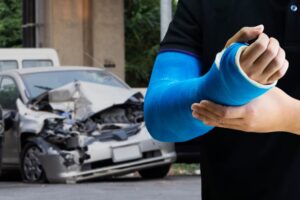 The human body is not designed to withstand the violent forces of a head-on impact. Even with modern safety features like airbags and seatbelts, the potential for severe and permanent injury is high. The physical recovery can be long and arduous, while the emotional and psychological toll can affect a person and their family for years to come.
Individuals involved in these crashes often face a range of serious medical issues, including:
- Traumatic Brain Injuries (TBIs): The sudden jolt can cause the brain to strike the inside of the skull, leading to concussions, contusions, or more severe, long-term cognitive damage.
- Spinal Cord Injuries: Damage to the spinal cord can result in partial or complete paralysis, fundamentally changing a person’s life and requiring lifelong care.
- Broken Bones and Crush Injuries: The sheer force of the impact can cause complex fractures, particularly to the legs, arms, ribs, and pelvis.
- Internal Organ Damage: The violent deceleration can cause internal bleeding and damage to vital organs like the spleen, liver, or kidneys.
- Wrongful Death: Tragically, due to the severity of these crashes, they have a higher fatality rate than many other types of accidents.
The impact of these injuries extends far beyond the initial hospital stay. A family may face mounting medical bills, the loss of a primary income, and the need for ongoing rehabilitation, assistive devices, and home modifications.
Determining Fault in a SEMO Head-On Collision
In most head-on crashes, one driver has crossed the center line and entered the lane of oncoming traffic. This often makes determining fault seem straightforward. However, the at-fault driver’s insurance company may still try to shift blame to reduce its liability. This is why establishing fault with clear, undeniable evidence is so important.
This process relies on the legal concept of negligence. In simple terms, negligence means that someone had a duty to drive safely, they failed in that duty, and their failure caused the accident and your injuries.
The Role of Missouri’s Comparative Fault Rule
Missouri has a specific law that addresses situations where more than one person might be partly at fault. It’s called “pure comparative fault.” Under this rule, you can still recover compensation for your injuries even if you are found to be partially responsible for the accident.
Here’s how it works: the total amount of compensation you receive is reduced by your percentage of fault. For example, if a jury determines your total damages are $200,000 but finds that you were 10% at fault, your damages would be reduced 10% ($20,000), and you would receive $180,000. This rule ensures that a person is not completely barred from recovery for a small degree of fault, but it also makes it critical for an insurance company to try to place as much blame on you as possible.
Gathering Evidence to Prove Negligence
A strong head-on car accident claim is built on a foundation of solid evidence. A car accident attorney can help identify and preserve all the crucial information needed to clearly show what happened and who was responsible.
- The Official Police Report: This is often the first piece of evidence. It will contain the officer’s initial observations, diagrams of the crash scene, statements from drivers and witnesses, and any citations that were issued.
- Witness Testimony: Independent witnesses who saw the crash can provide an unbiased account of events. Their statements about what they saw—a car swerving, a driver on their phone—can be incredibly powerful.
- Accident Reconstruction Analysis: In complex cases, professionals can be brought in to reconstruct the accident. They analyze physical evidence like skid marks, vehicle damage, and debris fields to scientifically determine factors like vehicle speed, angle of impact, and driver actions.
- Electronic Data Recorders (EDRs): Most modern vehicles are equipped with an “event data recorder” or “black box.” This device captures data from the moments just before a crash, such as speed, braking, and steering inputs, providing an objective look at what the vehicles were doing.
- Photographs and Video Footage: Pictures of the vehicles, the accident scene, and your injuries are vital. Additionally, footage from dash cams, traffic cameras, or nearby businesses can sometimes capture the collision itself.
This evidence comes together to tell the full story of the collision, creating a clear picture of liability that is difficult for an insurance company to dispute.
What Compensation Can Be Recovered After a Head-On Crash?
When you file a personal injury claim, you are seeking financial compensation, legally known as damages, for all the ways the accident has impacted your life. The goal is to help you cover the immense costs associated with a serious injury and to account for the human toll of the experience. Damages are typically separated into two main categories.
Economic Damages: Tangible Financial Losses
 These are the direct, calculable costs that result from the accident. They are meant to reimburse you for money you have lost or will have to spend because of your injuries.
- Medical Bills: This includes everything from the initial ambulance ride and emergency room care to surgeries, hospital stays, medication, and future physical or occupational therapy.
- Lost Wages: If you are unable to work while you recover, you can be compensated for the income you have lost.
- Loss of Future Earning Capacity: If your injuries are permanent and prevent you from returning to your previous job or working at all, you may be compensated for the income you would have earned over the course of your career.
- Property Damage: This covers the cost of repairing or replacing your vehicle and any other personal property damaged in the crash.
These are losses with a clear dollar amount attached, and keeping detailed records of all expenses is essential.
Non-Economic Damages: The Human Cost
This category of damages acknowledges that the harm from a serious accident goes far beyond financial bills. These losses are more subjective, but they are just as real and deserve to be recognized.
- Pain and Suffering: This compensates you for the physical pain, discomfort, and general suffering you have endured due to your injuries.
- Emotional Distress: This addresses the psychological impact of the accident, which can include anxiety, depression, fear, and post-traumatic stress disorder (PTSD).
- Loss of Enjoyment of Life: If your injuries prevent you from participating in hobbies, activities, or relationships that you once enjoyed, this damage accounts for that loss.
- Disfigurement and Scarring: This provides compensation for permanent scarring or physical changes that can affect your self-esteem and quality of life.
In rare cases involving extreme recklessness, such as a drunk driver intentionally going the wrong way down I-55, a court may also award punitive damages. These are not meant to compensate the injured person but to punish the wrongdoer and deter similar conduct in the future.
The Insurance Company Is Not on Your Side
After a serious accident, you will likely be contacted by an adjuster from the at-fault driver’s insurance company. It is important to remember that while the adjuster may sound friendly and helpful, their job is to protect their company’s financial interests. Their goal is to resolve the claim for the lowest possible amount.
To achieve this, they may use certain tactics. Be mindful of these common approaches:
- Offering a Quick, Low Settlement: The insurer might offer you a check right away, often before you even know the full extent of your injuries or future medical needs. Cashing this check usually means signing away your right to any future compensation.
- Requesting a Recorded Statement: They will ask to record a conversation with you about the accident. They can then use your words out of context to argue that you admitted fault or that your injuries are not as severe as you claim.
- Disputing Your Medical Treatment: They may question the necessity of certain treatments recommended by your doctor or suggest that your injuries were caused by a pre-existing condition.
Having a legal advocate to handle communications with the insurance company ensures that your rights are protected and that you are not pressured into making a decision that is not in your best interest.
Head-On Collision FAQs
Here are some answers to common questions people have after being involved in a severe car accident.
How long do I have to file a personal injury claim in Missouri?
In Missouri, the time limit for filing a personal injury lawsuit, known as the statute of limitations, is generally five years from the date of the accident. While this may seem like a long time, it is crucial to act much sooner. Evidence can disappear, and witnesses’ memories can fade, so it is best to begin the process as soon as you are able.
What if the other driver was uninsured or underinsured?
If the at-fault driver has no insurance or not enough to cover your damages, you may be able to make a claim through your own auto insurance policy. This is possible if you have Uninsured Motorist (UM) or Underinsured Motorist (UIM) coverage. It is a good idea to review your own policy to understand the coverage you have in place for this type of situation.
Can I still have a claim if I don’t remember the accident?
Yes. Memory loss is a very common symptom of a traumatic brain injury sustained in a high-impact crash. Your inability to recall the event does not prevent you from pursuing a claim. The case can be built using the physical evidence from the scene, witness statements, accident reconstruction analysis, and other sources that do not rely on your memory.
What if the at-fault driver died in the crash?
Even if the driver who caused the collision tragically passed away in the accident, you can still seek compensation. A claim would be filed against the deceased driver’s estate, which is then typically handled by their automobile insurance provider. The process is different, but you do not lose your right to hold their policy accountable for the damages they caused.
Let Us Help You Move Forward
After a serious head-on collision, you need to focus on healing. Let a dedicated legal team handle the complexities of your claim. At Cook, Barkett, Ponder & Wolz, we have been fighting for the rights of injured people across Southeast Missouri for decades. From Cape Girardeau to Sikeston and Poplar Bluff, we understand the challenges our neighbors face, and we are committed to providing compassionate and determined legal representation.
We take the time to listen to your story, understand the full impact the accident has had on your life, and build a strong case designed to secure the best possible outcome for you and your family. With over 100 years of combined trial experience and a promise that you won’t pay any fees unless we win, we are ready to stand by your side.
Call us today for a free, no-obligation case evaluation.