

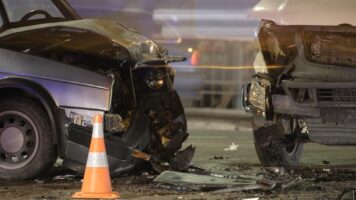
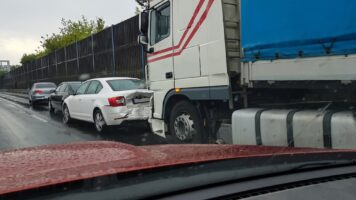
The long, straight stretches of I-55 cutting through Southeast Missouri can feel hypnotic, especially late at night or after a long day. We’ve all felt that moment when our eyelids get heavy and our focus starts to drift. But when this normal tiredness turns into car driver fatigue, it becomes a serious danger on our roads, from Cape Girardeau to Poplar Bluff.
If you’ve been injured in a car accident caused by a fatigued driver, you’re likely facing physical, emotional, and financial challenges. A qualified car accident lawyer can help you seek accountability and fair compensation.
Key Takeaways about Why Car Driver Fatigue Happens
- Car driver fatigue is a state of mental and physical impairment caused by a lack of sleep, which can severely affect a person’s ability to operate a vehicle safely.
- The effects of severe driver fatigue can be similar to those of driving under the influence of alcohol, impairing reaction time, judgment, and awareness.
- Common causes of drowsy driving include chronic sleep deprivation, demanding work schedules like shift work, undiagnosed sleep disorders, and certain medications.
- Certain groups are at a higher risk for fatigued driving, including commercial truck drivers, young drivers, and individuals working long or irregular hours.
- In Missouri, a driver who causes an accident due to fatigue can be held legally responsible for the harm they cause under the principles of negligence.
What is Car Driver Fatigue and Why Is It So Dangerous?
Car driver fatigue is much more than just feeling a little sleepy. It’s a state of physical and mental exhaustion that reduces a person’s ability to drive safely. When a driver is fatigued, their brain functions at a lower capacity. This impairment can be just as dangerous as other, more commonly recognized driving hazards.
In fact, the Centers for Disease Control and Prevention (CDC) highlights that being awake for 17 hours can produce an impairment equal to having a blood alcohol concentration (BAC) of 0.05%. After 24 hours without sleep, that impairment rises to the equivalent of a 0.10% BAC, which is higher than the legal limit in Missouri. This means a tired driver can have slowed reaction times, poor judgment, and reduced vigilance, just like someone who has been drinking.
One of the most frightening aspects of car driver fatigue is the risk of “microsleep.” This is a brief episode of sleep that can last for a few seconds. At 55 miles per hour, a car travels the length of a football field in just 4-5 seconds.
A microsleep of that duration means a driver is essentially piloting a two-ton machine down the highway with their eyes closed, completely unaware of their surroundings. This can lead to drifting out of a lane, missing a stop sign in Scott City, or failing to react to slowing traffic on the Bill Emerson Memorial Bridge.
The Primary Causes of Drowsy Driving in SEMO
Fatigue doesn’t happen in a vacuum. It is usually the result of a combination of factors related to sleep, work, and lifestyle. Understanding these root causes can help explain why a seemingly responsible driver might get behind the wheel while dangerously tired.
Lack of Quality Sleep
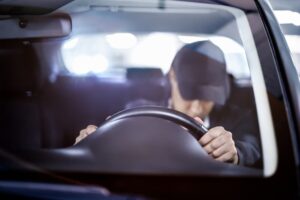 The most direct cause of driver fatigue is simply not getting enough sleep. Many people live with a “sleep debt,” which is the cumulative effect of not getting the recommended 7-9 hours of sleep per night. This debt builds over time, making a person more susceptible to fatigue. Other factors contributing to poor sleep include:
- Sleep Disorders: Conditions like sleep apnea, where a person repeatedly stops and starts breathing during sleep, can prevent restful sleep even if they are in bed for eight hours. Insomnia and restless legs syndrome can also severely impact sleep quality.
- Poor Sleep Habits: Inconsistent sleep schedules, using electronic devices before bed, and consuming caffeine or alcohol too close to bedtime can all disrupt the body’s natural sleep cycle.
- New Parents or Caregivers: Individuals caring for infants or family members with medical needs often experience fragmented and insufficient sleep, putting them at high risk for fatigue.
These issues are common across our communities, affecting people from all walks of life and making them a potential risk on the road without them even realizing the extent of their impairment.
Demanding Work Schedules
For many people in Southeast Missouri, their job is a significant contributor to fatigue. The structure and demands of certain occupations make getting adequate rest a constant challenge. Truck drivers traveling I-55, healthcare professionals at Saint Francis Medical Center or SoutheastHEALTH, and factory workers in Sikeston often face schedules that are not conducive to a regular sleep pattern.
- Shift Work: Working overnight, early morning, or rotating shifts disrupts the body’s internal clock, or circadian rhythm. This can make it difficult to fall asleep during the day and stay awake at night, leading to persistent drowsiness.
- Long Hours: Working more than 60 hours a week is a known risk factor for fatigue-related incidents. Many people work long days or multiple jobs to support their families, unknowingly increasing their risk of a drowsy driving crash.
- Commercial Driving Pressures: While the Federal Motor Carrier Safety Administration (FMCSA) has Hours of Service regulations to limit driving time, economic pressures can sometimes lead to drivers pushing their limits to meet deadlines.
When a person’s work life demands they function on minimal rest, the risk of them causing a serious accident increases dramatically.
Lifestyle and Personal Choices
Sometimes, car driver fatigue is a result of personal choices or specific situations. A long road trip to visit family, driving home late after a Cardinals game in St. Louis, or taking certain medications can all lead to a dangerous level of tiredness.
Alcohol, even in small amounts, can greatly magnify the effects of fatigue. Many over-the-counter and prescription medications, such as cold medicine, allergy pills, and certain antidepressants, can also cause drowsiness as a side effect. It is crucial for drivers to read warning labels and understand how any substance they consume might affect their ability to drive safely.
Who Is Most at Risk for Causing a Car Driver Fatigue Accident?
While anyone can experience driver fatigue, some groups are statistically more likely to be involved in drowsy driving crashes. This is often due to a combination of lifestyle, age, and occupation.
- Young Drivers: Drivers under the age of 25, particularly males, are involved in more than half of all fall-asleep crashes. This is often due to a combination of social schedules, school or work demands, and a biological tendency to stay up later.
- Commercial Truck Drivers: Due to the long hours and monotonous nature of their work, truck drivers are at a high risk. They spend a significant amount of time on highways like US-60 and I-57, and fatigue is a constant occupational hazard.
- Shift Workers: As mentioned earlier, people who work nights, rotating shifts, or long hours are more prone to drowsy driving. This includes nurses, police officers, factory workers, and many others in the SEMO workforce.
- People with Untreated Sleep Disorders: It’s estimated that millions of Americans have undiagnosed sleep disorders. These individuals may feel constantly tired and are at a very high risk of falling asleep at the wheel.
Recognizing these risk factors is not about placing blame but about understanding the circumstances that can lead to a devastating and preventable accident.
Recognizing the Warning Signs of Car Driver Fatigue
 Most drivers have experienced the warning signs of fatigue at some point. The problem is that many people try to push through them, underestimating the danger they are in. If you or someone you see on the road is showing these signs, it’s a clear indication that it is no longer safe to drive.
- Frequent yawning or blinking
- Difficulty remembering the past few miles driven
- Missing exits or traffic signs
- Drifting from your lane, tailgating, or hitting a rumble strip
- Feeling restless, irritable, or having trouble focusing
The only effective remedy for fatigue is sleep. Turning up the radio, opening a window, or drinking coffee are temporary measures that can provide a false sense of security. The safest and most responsible action is to pull over in a safe location and rest.
The Legal Side of Drowsy Driving Accidents in Missouri
When a fatigued driver causes an accident that injures someone, they can be held legally responsible for the harm they’ve caused. In the eyes of the law, choosing to drive while knowingly tired can be considered negligence. Negligence is a legal term that means a person failed to use the level of care that a reasonably careful person would have used in the same situation. A reasonably careful person would pull over when they feel too tired to drive safely.
Proving that a driver was fatigued can be a key part of a personal injury claim. This often involves gathering evidence to show that the driver acted carelessly. This evidence might include:
- Driver’s Own Statements: The driver may admit to police or witnesses that they were tired or fell asleep.
- Witness Testimony: Other drivers or passengers may have seen the car swerving or driving erratically before the crash.
- Time of Day: Many fatigue-related accidents happen during late-night or mid-afternoon hours when the body’s internal clock promotes sleep.
- Lack of Evasive Action: A lack of skid marks at an accident scene can sometimes indicate that the driver did not brake or swerve, which is common in fall-asleep crashes.
- Driver Logs: For commercial truck drivers, their electronic logs can show if they violated federal Hours of Service rules.
Missouri also follows a “pure comparative fault” rule. This law means that if you are injured in a crash, you can still recover damages even if you were partially at fault. Your final compensation amount would simply be reduced by your percentage of fault. For example, if you were found to be 10% at fault, your total award would be reduced by 10%.
An experienced car accident attorney can help make a case for why the fatigued driver holds the vast majority of the responsibility for what happened.
Car Driver Fatigue FAQs
Here are some answers to common questions people have about car driver fatigue and the legal process that may follow a related accident.
Is driving while tired illegal in Missouri?
While Missouri does not have a specific law that makes “drowsy driving” a standalone offense like a DUI, it can still lead to serious legal consequences. A fatigued driver can be ticketed for a related offense, such as reckless driving or failure to maintain a single lane. More importantly, in a civil personal injury case, driving while dangerously fatigued is considered a form of negligence, which makes the driver legally liable for the damages they cause.
How is car driver fatigue different from just being tired?
Everyone feels tired from time to time. Car driver fatigue, however, is a more severe state of impairment where a person’s ability to operate a vehicle safely is compromised. It involves mental and physical exhaustion that leads to slowed reaction times, poor decision-making, and the risk of falling asleep. It’s the point where normal tiredness crosses the line into being a genuine public safety hazard.
Can prescription medications contribute to drowsy driving?
Absolutely. Many common prescription and over-the-counter medications list drowsiness as a primary side effect. This includes pain relievers, antidepressants, allergy medications, and sleep aids. It is a driver’s responsibility to read all warning labels and understand how a medication affects them before getting behind the wheel. If a medication impairs driving ability, operating a vehicle can be considered negligent.
How can an attorney help prove the other driver was asleep at the wheel?
Proving a driver was fatigued requires a thorough investigation. A legal team can help by gathering critical evidence that might not be readily available. This can include subpoenaing a commercial driver’s work and rest logs, obtaining the driver’s cell phone records to check for activity right before the crash, interviewing witnesses who saw erratic driving, and hiring accident reconstruction professionals to analyze the physical evidence at the crash scene.
Injured by a Fatigued Driver? Contact Our SEMO Car Accident Lawyers Today.

Daniel J. Grimm, SEMO Car Accident Lawyer
Dealing with the consequences of a serious car accident is a difficult journey. You are likely facing physical pain, mounting medical bills, and uncertainty about the future. When the accident was caused by another driver’s decision to get behind the wheel while fatigued, you have the right to seek accountability and fair compensation.
At Cook, Barkett, Ponder & Wolz, our team of personal injury attorneys has been fighting for the rights of people across Southeast Missouri for decades. We understand the challenges you face because we take the time to know you and your story. With over 100 years of combined trial experience, we have the resources and the dedication to build a strong case on your behalf. We believe that your focus should be on your recovery, not on fighting with insurance companies.
If you or a loved one has been harmed in a drowsy driving accident, let us stand by your side. We offer a free case evaluation to discuss your situation and explain your options. You pay no fees unless we win your case. Contact us today at (573) 335-6651 or through our online form to get started.