

In short, personal injury lawyers handle cases where a person has suffered physical, emotional, or financial harm due to the wrongful actions or inaction of another person, company, or entity. A dedicated SEMO personal injury attorney can help you seek accountability and the resources you need to heal.
This area of law covers a wide range of situations, from a car accident on I-55 near Cape Girardeau to an injury caused by an unsafe condition at a local business in Poplar Bluff. The central idea is that if another party’s negligence caused you harm, you shouldn’t have to carry the financial burden of recovery by yourself.
Key Takeaways about the Kinds of Cases Personal Injury Lawyers Handle
- Personal injury law addresses harm caused by another party’s negligence or wrongful conduct.
- Cases commonly handled include motor vehicle accidents, unsafe property incidents (premises liability), and medical malpractice.
- Other significant areas are defective product claims, workplace accidents involving third parties, and wrongful death claims.
- The goal of a personal injury case is to secure compensation for medical bills, lost wages, pain, and other damages.
- An attorney’s role involves investigating the incident, dealing with insurance companies, and advocating for the injured person’s rights.
- Most personal injury lawyers work on a contingency fee basis, meaning they are only paid if they successfully recover money for the client.
Understanding the Basics of Personal Injury Law
Before diving into specific examples, it’s helpful to understand the core principle of personal injury law: negligence. In simple terms, negligence is when someone fails to act with reasonable care, and that failure causes injury to another person. Think of it as a person or company not following the safety rules we all implicitly agree to follow to keep each other safe.
For a personal injury claim based on negligence to be successful, a few key elements generally must be proven. An attorney works to build a case that clearly demonstrates each one.
- Duty of Care: The other party had a legal responsibility to act with a certain level of care toward you. For example, every driver on Highway 60 has a duty to obey traffic laws and drive safely.
- Breach of Duty: The party failed to meet that responsibility. A driver who runs a red light or texts while driving has breached their duty of care.
- Causation: This breach of duty directly caused your injuries. The accident wouldn’t have happened, and you wouldn’t be hurt, if not for the other driver running the red light.
- Damages: You suffered actual harm as a result. This includes measurable costs like medical bills and lost wages, as well as non-economic harm like pain and suffering.
Successfully connecting these four points is the foundation of a strong personal injury case.
Common Types of Personal Injury Cases in Southeast Missouri
While the principle of negligence is broad, it applies to many different real-world situations. People from Scott City to Sikeston may find themselves needing assistance after a wide variety of incidents. Here are some of the most common kinds of cases a personal injury lawyer handles.
Motor Vehicle Accidents
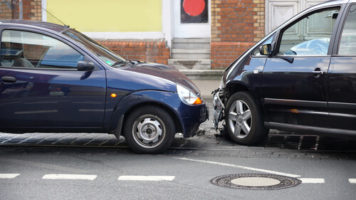
Accidents involving cars, trucks, and motorcycles are among the most frequent personal injury claims. A collision can happen in an instant, but the consequences can last a lifetime. Whether it’s a rear-end collision on William Street in Cape Girardeau or a serious truck accident on a rural SEMO highway, the costs can mount quickly. A SEMO car accident lawyer assists people who have been harmed by another driver’s poor choices.
Common causes of these accidents often involve a driver breaching their duty of care in one of the following ways:
- Distracted Driving: This includes texting, talking on the phone, or adjusting the radio.
- Driving Under the Influence (DUI): Operating a vehicle while impaired by alcohol or drugs is a serious form of negligence.
- Speeding and Reckless Driving: Ignoring speed limits or driving too fast for conditions dramatically increases the risk of a crash.
- Violating Traffic Laws: Failing to yield, running stop signs, or making improper turns can all lead to serious injuries.
When another driver’s actions cause an accident, an attorney can help the injured person pursue compensation from the at-fault party’s insurance company.
Premises Liability: Slips, Falls, and Unsafe Property
Property owners and managers have a responsibility to keep their premises reasonably safe for visitors. When they fail to do so, and someone gets hurt, it’s called premises liability. This concept means the owner can be held accountable for injuries that happen on their property.
These cases can include a variety of situations you might encounter in your community:
- A slip and fall on a wet floor in a Bloomfield grocery store that didn’t have a “wet floor” sign.
- Tripping over a broken piece of pavement in a poorly maintained parking lot in Poplar Bluff.
- Being injured by falling merchandise from a high shelf in a retail store.
- A dog bite that occurs because an owner failed to properly restrain their animal.
Holding a property owner accountable often requires proving they knew, or should have known, about the dangerous condition and did nothing to fix it.
Workplace and Industrial Accidents
When an employee is injured on the job, the primary source of benefits is typically a workers’ compensation claim. However, some workplace injuries open the door for a personal injury lawsuit. This is most common when the injury was caused by the negligence of a third party—someone other than your employer or a coworker.
Consider these scenarios:
- A construction worker is injured because of a defective power tool. They might have a claim against the tool’s manufacturer.
- A delivery driver is hurt in a car accident caused by another driver. They can file a workers’ compensation claim and a personal injury claim against the at-fault driver.
- A factory worker is harmed by a piece of machinery maintained by an outside service company that performed the work improperly.
These cases can be complex, but they provide an important avenue for recovery when someone outside your company is responsible for your injuries. According to the U.S. Bureau of Labor Statistics, thousands of workers suffer serious injuries on the job each year, and investigating all potential sources of accountability is critical.
Medical Malpractice
We place an immense amount of trust in doctors, nurses, hospitals, and other healthcare providers. When that trust is broken and a medical professional’s mistake causes harm, it may be a case of medical malpractice. This happens when a provider’s care falls below the accepted standard of practice in the medical community, leading to a new or worsened injury for the patient.
Examples of medical malpractice can include:
- Surgical errors, such as operating on the wrong body part.
- Misdiagnosis or a failure to diagnose a serious condition like cancer or a heart attack in a timely manner.
- Birth injuries to a mother or child caused by mistakes during labor and delivery.
- Prescription medication errors, like providing the wrong drug or dosage.
These cases are often challenging and require a deep understanding of both law and medicine to prove that a provider’s actions directly led to the patient’s harm.
Product Liability: Injuries from Defective Products
When you buy a product, you have a right to expect that it is safe to use as intended. Product liability is the area of law that holds designers, manufacturers, and sellers accountable when their defective products cause injuries.
There are generally three types of defects that can lead to a product liability claim:
- Design Defects: The product is inherently dangerous because of its design, even if it’s made perfectly.
- Manufacturing Defects: The product’s design is safe, but an error during the manufacturing process made a specific item unsafe.
- Marketing Defects (Failure to Warn): The product was sold without proper instructions or adequate warnings about non-obvious dangers.
This could involve anything from a faulty airbag in a car to a contaminated food product or a dangerous children’s toy.
Wrongful Death Claims
Perhaps the most tragic type of personal injury case is a wrongful death claim. This is a lawsuit filed when someone’s death is a direct result of another party’s negligence or wrongful act. These claims are not filed by the person who passed away, but by their surviving family members, such as a spouse, children, or parents.
A wrongful death claim can arise from nearly any type of personal injury incident, including:
- A fatal car or truck accident.
- A deadly medical error.
- A lethal fall on an unsafe property.
- An injury from a defective product that leads to death.
While no amount of money can ever replace a loved one, a wrongful death lawsuit seeks to provide financial stability for the family left behind and provide a way to hold the responsible party accountable for the immense loss they caused.
What Does a Personal Injury Lawyer Do for You?
Understanding the types of cases is one thing, but knowing what a lawyer actually does can help demystify the process. An attorney acts as your advocate, handling the legal details so you can concentrate on your health and well-being. Their work is focused on protecting your rights and building the strongest possible case on your behalf.
Here are some of the key responsibilities a personal injury lawyer takes on:
- Conducting a Thorough Investigation: This involves gathering police reports, interviewing witnesses, collecting medical records, and sometimes hiring investigators or accident reconstructionists to determine exactly what happened.
- Handling All Communication: They will speak with the at-fault party’s insurance company on your behalf. Insurance adjusters are trained to minimize payouts, and having a legal representative handle these discussions is a significant benefit.
- Calculating Your Damages: A lawyer will work to identify all the ways you have been harmed—physically, emotionally, and financially—to determine the full value of your claim. This includes current and future medical costs, lost income, and pain and suffering.
- Negotiating a Fair Settlement: Most personal injury cases are resolved through a settlement, which is a formal agreement to resolve the case for a certain amount of money without going to court. Your attorney will negotiate to get you the best possible offer.
- Representing You in Court: If the insurance company refuses to make a fair settlement offer, your lawyer will be prepared to file a lawsuit and present your case to a judge and jury.
By taking on these tasks, a lawyer provides the support and guidance needed to stand up to large insurance companies and seek a just outcome.
Types of Personal Injury Cases FAQs
Here are answers to some other common questions about personal injury law in Missouri.
What is the statute of limitations for a personal injury case in Missouri?
In Missouri, the statute of limitations—which is the legal deadline for filing a lawsuit—is generally five years from the date of the injury for most personal injury cases. However, there are exceptions. For example, medical malpractice cases often have a shorter two-year deadline, and claims against government entities have different rules. It is very important to speak with an attorney as soon as possible to protect your right to file a claim.
What if I was partially at fault for my accident?
Missouri follows a pure comparative fault rule. This means you can still recover compensation even if you were partially to blame for the accident. However, your total compensation award will be reduced by your percentage of fault. For example, if you are found to be 20% at fault for a car accident, your final award will be reduced by 20%. An attorney can help build a case to minimize any fault assigned to you.
How much does it cost to hire a personal injury attorney?
Most personal injury lawyers work on a contingency fee basis. This means you do not pay any attorney’s fees upfront. The lawyer’s fee is a percentage of the total amount of money they recover for you, whether through a settlement or a court verdict. If they are not successful in recovering any money for your case, you owe them no attorney’s fees.
What kind of compensation can I receive in a personal injury claim?
Compensation in a personal injury case, also known as “damages,” is intended to help make the injured person whole again financially. It can cover a wide range of losses, including medical expenses (past and future), lost wages from being unable to work, property damage, and non-economic damages like pain and suffering, emotional distress, and loss of enjoyment of life.
Let Us Help You Find the Path Forward

Daniel J. Grimm, Personal Injury Lawyer
If you or a loved one has been injured in Southeast Missouri, you don’t have to face the recovery process by yourself. At Cook, Barkett, Ponder & Wolz, our team is committed to providing compassionate and determined legal representation. We take the time to listen to your story, understand your challenges, and build a strong case designed to hold the responsible parties accountable.
With over a century of combined trial experience, we have the knowledge and resources to fight for the compensation you deserve. We handle all cases on a contingency fee basis, so you pay nothing unless we win your case. Let us handle the legal process so you can focus on what matters most: your healing.
For a free, no-obligation case evaluation, contact our dedicated team today.