

What should you do after a sideswipe car accident?
After a sideswipe car accident, report it to the police, photograph both vehicles’ lane positions, get checked by a doctor, and notify your insurer. Talk to a lawyer before giving the other insurance company a statement, since fault in a sideswipe is often disputed.
Right after a sideswipe car accident, take five steps in order: call the police, photograph where both cars sit in their lanes, see a doctor, notify your own insurer, and speak with a lawyer before giving the other insurer a statement. Those first moves shape who gets blamed and what a claim is worth.
Fault in a sideswipe often comes down to lane position, and lane position is easy to lose once the cars move apart.
A scrape along two door panels rarely tells the whole story on its own. That is why the photos, the witnesses, and the police report carry so much weight later.
Missouri adds its own rules to that picture, from how fault gets divided to how long you have to file.
The sections below work through who is usually at fault in each type of sideswipe, what a claim may be worth, and what happens when the other driver has no insurance or leaves the scene.
Key Takeaways About Sideswipe Car Accidents
- Lane position at the moment of impact often decides fault in a sideswipe.
- Missouri’s pure comparative fault rule reduces recovery by your share of blame.
- A hit-and-run or uninsured driver may still leave you a path through your own coverage.
- Missouri sets a five-year deadline for most injury lawsuits.
- Photos, witness accounts, and the police report may play an important role in a disputed sideswipe claim.
Schedule a Free Case Evaluation
What Is a Sideswipe Collision, and Why Is Fault So Often Disputed?
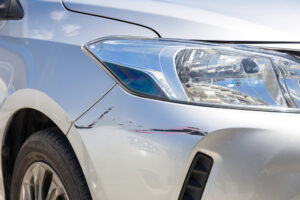
A sideswipe collision happens when the sides of two vehicles traveling in the same direction make contact. Fault gets disputed because the physical evidence is thin, often just paint transfer and scrapes along both cars. Each driver tends to say the other one drifted.
These crashes happen most on multi-lane roads and highway merges, where cars run close together at speed. A moment of drift, a missed mirror check, or a blind-spot lane change puts two vehicles into the same space.
Where Sideswipes Happen Around Cape Girardeau
Sideswipe crashes cluster where lanes merge or drop, and Southeast Missouri has several such spots. The Interstate 55 and Interstate 57 merges bring fast traffic together from different directions.
Around Cape Girardeau, the lane changes along Kingshighway and William Street give drivers frequent chances to drift into an occupied lane.
Local roads add their own risk during weather and heavy commuter flow. Knowing where these crashes happen helps explain why lane position is the heart of most sideswipe disputes.
Who Is at Fault in a Sideswipe Accident?
Fault in a sideswipe accident usually falls on the driver who left their lane, since Missouri law puts the duty on a driver to change lanes safely. The challenge is proving which driver drifted.
The answer depends on the scenario and the evidence, not just on who reported the crash first.
Missouri law requires a driver to signal and to make sure a lane change is safe before moving, under Missouri Revised Statutes Section 304.019.
A driver who ignores that duty and sideswipes another car is often the at-fault party. Proving it takes the right evidence for the situation.
Common Sideswipe Scenarios and Who Is Usually at Fault
Fault tends to follow a pattern based on how the sideswipe happened. The table below maps common scenarios to the party usually at fault and the evidence that tends to prove it.
| Sideswipe scenario | Usually at fault | Evidence that proves it |
|---|---|---|
| Lane change into an occupied lane | The driver changing lanes | Damage location, witness accounts |
| Merging onto the highway | The merging driver | Camera footage, vehicle positions |
| Blind-spot drift | The drifting driver | Paint transfer, lane markings |
| Simultaneous dual lane change | Often shared between both | Reconstruction, damage angles |
| Sideswiping a legally parked car | The moving driver | Scene photos, parking location |
The simultaneous dual lane change is the hardest, since both drivers moved at once and each blames the other.
A close look at the damage angles and any available footage often points to who moved first. Early evidence collection can make fault easier to evaluate in these cases.
What to Do When Both Drivers Claim the Other Drifted
When both drivers blame each other, the case turns to outside evidence rather than the two accounts.
Independent witnesses, traffic or business camera footage, and the physical damage pattern carry more weight than either driver’s word. The angle and height of the scrapes may show which car crossed the line.
An attorney insight worth noting: the mistake our firm sees most after a sideswipe is a driver admitting partial fault at the scene, often just to keep things calm.
That offhand comment may later be used as evidence in a disputed fault claim. Avoid guessing about fault or making unnecessary admissions at the scene. Give police accurate factual information and let the evidence determine responsibility.
What Is a Sideswipe Accident Claim Worth?
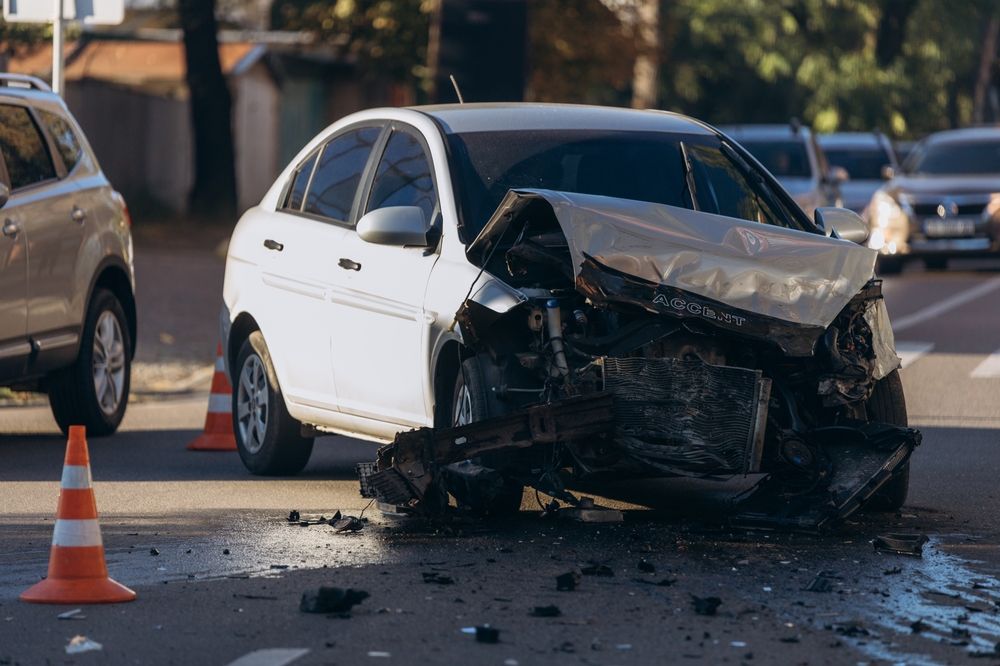
A sideswipe accident claim is worth the total of the losses the crash caused, which vary widely by injury.
A minor scrape with no injury supports a small property-damage claim. A sideswipe that pushes a car into a barrier or another vehicle may cause serious harm and a much larger claim.
Sideswipe crashes range from light contact to violent, multi-vehicle wrecks. The value tracks the injuries, the medical costs, and the effect on daily life.
Injured drivers and passengers may seek compensation for these losses:
- Medical bills already paid and still to come
- Lost wages and reduced earning ability
- Vehicle repair or replacement
- Pain, discomfort, and mental strain
- Lasting effects such as scarring or disability
No two sideswipe claims carry the same figure, since the injuries differ so much. A careful look at the full losses gives a truer number than any quick estimate from an adjuster.
How Does Missouri’s Fault Law Affect a Sideswipe Recovery?
Missouri’s fault law lets you recover even if you were partly to blame for the sideswipe, though your share reduces the payout.
Missouri follows pure comparative fault, adopted by the Missouri Supreme Court in Gustafson v. Benda. Your recovery drops by your percentage of fault, rather than disappearing.
How Pure Comparative Fault Plays Out in a Sideswipe
Pure comparative fault splits responsibility by percentage and lowers the award to match. In a sideswipe, where both drivers often share some blame, this rule decides much of the outcome. The factfinder assigns each driver a share, and the award adjusts to fit.
Say your total losses reach a set amount and a jury finds you 20 percent at fault. Your recovery then falls by that 20 percent. Insurers know this rule and often argue for a larger share of blame on you, which is why pushing back on an inflated fault figure matters.
Schedule a Free Case Evaluation
What if the Driver Who Sideswiped You Had No Insurance or Fled?
You may still have a claim through your own uninsured motorist coverage after a hit-and-run or a crash with an uninsured driver. Underinsured motorist coverage may apply when the at-fault driver has insurance but not enough to cover your losses.
Sideswipes are a common hit-and-run scenario, since a driver who drifts may keep going, sometimes without realizing the contact. Your own policy may fill the gap.
Uninsured motorist coverage may apply when the other driver has no insurance or cannot be identified after leaving the scene.
Underinsured motorist coverage may apply when the other driver has some insurance, but not enough to cover your losses. These coverages may provide another source of compensation when the at-fault driver has no insurance or insufficient coverage.
A hit-and-run sideswipe makes fast evidence work even more valuable. Report the crash to the police promptly, since a report often supports a later uninsured motorist claim.
A lawyer may review your policy and handle the claim against your own insurer.
How Common Are Lane-Change and Sideswipe Crashes?
Lane-change crashes make up a small but steady share of serious wrecks nationwide. An analysis from the National Highway Traffic Safety Administration (NHTSA) found that lane-change crashes account for roughly 0.5 to 1.5 percent of motor-vehicle fatalities, about 224 to 732 deaths a year. Many more cause injuries rather than deaths.
The figure reflects how routine the underlying mistake is. A single missed mirror check at highway speed puts two vehicles into the same lane. That ordinary error is what sits behind most sideswipe claims.
FAQs for Sideswipe Car Accidents
How long do I have to file a sideswipe accident claim in Missouri?
Most Missouri sideswipe injury lawsuits fall under a five-year deadline, set by Missouri Revised Statutes Section 516.120. Missing the applicable deadline may bar the claim, though limited exceptions may apply. Acting early also protects the evidence a disputed sideswipe depends on.
Should I report a minor sideswipe if there is barely any damage?
Yes, reporting a sideswipe is usually the safer choice, even when the damage looks minor. A police report creates a record of the lane positions and the other driver, which helps if injuries or fault disputes surface later.
Minor-looking crashes sometimes bring injuries that appear days afterward.
Can I get my car repaired before the claim is settled?
Generally yes, though photographing all the damage first is wise. Clear photos of the paint transfer, scrape height, and damage location preserve the evidence that proves fault in a sideswipe. Once those images exist, repairs may proceed while the claim moves forward.
What if the police report blames me for the sideswipe?
A police report that blames you does not settle fault, though it may carry weight. The report reflects an officer’s early read, not a final legal ruling. Additional evidence, such as witness accounts or camera footage, may support a different account of who drifted.
Does a sideswipe count as an at-fault accident on my record?
It depends on who caused the crash. A sideswipe where the other driver drifted into your lane generally is not your at-fault accident. Where fault is shared or disputed, the evidence and Missouri’s comparative fault rule decide how responsibility is divided.
Talk Through Your Sideswipe Car Accident Options Today
The paint transfer on your door tells a story, and it fades a little every day the case sits still. In a sideswipe, where fault often comes down to inches of lane position, that early evidence may decide who pays. Acting while it is fresh protects your side of the story.
Cook, Barkett, Ponder & Wolz sorts out disputed sideswipe crashes for drivers across Southeast Missouri, from Cape Girardeau to Sikeston, Scott City, and Poplar Bluff.
Call 573-335-6651 for a free case evaluation, and get a clear read on who was at fault and what comes next.